Best Electronics Recycling Services for Businesses
Electronic Waste Disposal: Everything You Should Know About Safe Recycling
The disposal of e-waste is a critical concern that impacts both public health and the environment. With the rapid advancement of technology, the amount of discarded electronics continues to rise. Inadequate disposal practices result in dangerous chemicals infiltrating natural ecosystems. Understanding the importance of responsible recycling practices is essential. This discussion will explore effective ways to handle e-waste and outline the key actions individuals can implement to ensure their electronics are recycled responsibly and ethically.
Exploring E-Waste: What It Means and Why It's Important
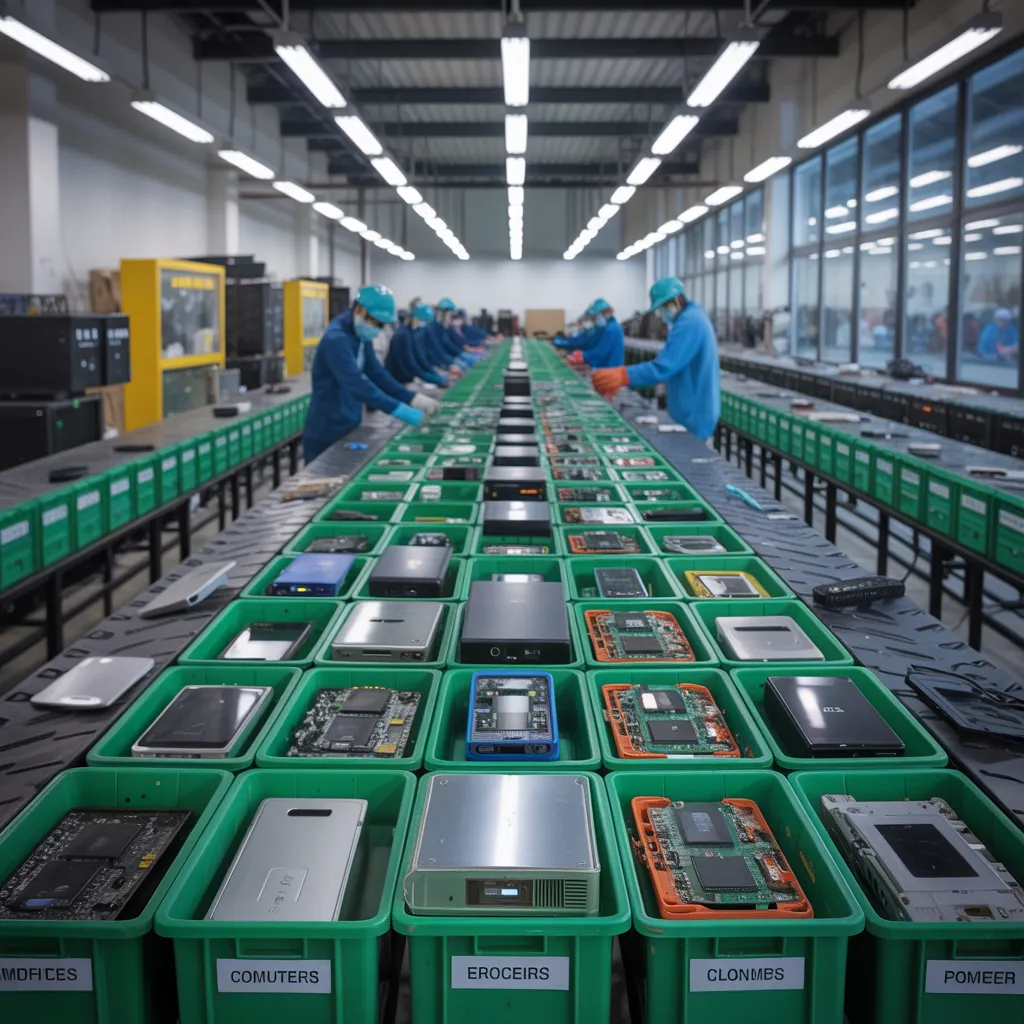
Electronic waste, commonly referred to as e-waste, covers discarded electrical and electronic devices, including computers, smartphones, and televisions. The swift progress of technology has resulted in a dramatic increase in e-waste generation, turning it into a pressing environmental concern. Each year, millions of tons of e-waste are produced worldwide, frequently finding their way into landfills or being handled incorrectly. This discarded material holds precious resources, including gold, silver, and rare earth elements, all of which are recyclable. However, the improper handling of e-waste can also lead to the release of harmful substances into the environment. Understanding e-waste is essential for promoting responsible disposal practices and recycling efforts. Consumers, businesses, and governments all play a role in mitigating the impacts of e-waste, emphasizing the need for awareness and action. Effective management of e-waste not only conserves resources but also supports sustainable development and reduces the burden on landfills.
The Environmental and Health Risks of Improper E-Waste Disposal
The improper handling of electronic waste presents substantial environmental and health hazards that are frequently disregarded. Harmful chemicals such as lead, mercury, and cadmium are routinely discovered in e-waste and can infiltrate soil and water systems, degrading ecosystems and putting wildlife at risk. Such dangerous substances may build up within the food chain, creating severe threats to public health.
In addition to environmental harm, exposure to e-waste toxins can cause various health concerns, including neurological conditions, breathing difficulties, and even cancer. Individuals participating in informal recycling processes are particularly at risk, often lacking protective equipment and adequate training.
The overall accumulated consequence of the improper disposal of e-waste reaches further than immediate concerns for human health, leading to prolonged environmental challenges such as pollution and biodiversity loss. As the use of electronic devices continues to grow, the urgency of tackling these concerns is becoming more vital for the health of humanity and the natural environment.
Top E-Waste Recycling Practices
Successful e-waste recycling starts with appropriate sorting methods, which ensure that materials are divided based on their recyclability. Employing certified recycling facilities additionally strengthens the process, because these organizations follow environmental guidelines and safety requirements. Together, these best practices contribute to a more sustainable approach to electronic waste management.
Proper Sorting Techniques
A large share of electronic waste can be effectively sorted to boost recycling efficiency and minimize environmental impact. Proper sorting techniques consist of classifying e-waste into distinct groups based on material type, such as metals, plastics, and glass. This approach not only simplifies the recycling workflow but also ensures that hazardous materials, like toxic elements such as lead and mercury, are handled safely. Additionally, organizing devices according to type—such as computers, smartphones, and appliances—facilitates targeted processing methods suitable for each category. Adopting these organizational methods can significantly enhance recovery rates of useful materials, lower landfill deposits, and decrease the dangers related to improper disposal. In summary, systematic sorting is critical to environmentally sound e-waste practices and conscientious recycling standards.
Certified Recycling Facilities
Categorizing e-waste is merely the first step in a complete recycling plan. The following phase involves using accredited recycling centers, which comply with strict standards for eco-friendly processing. These facilities assure that hazardous materials, such as harmful heavy metals, are processed securely, minimizing the risk of ecological damage. Accreditation typically includes standards set by organizations like R2 and e-Stewards certification bodies, which encourage sustainable recycling approaches. By opting for certified facilities, consumers can verify that their e-waste is processed correctly, with valuable materials recovered and dangerous materials eliminated safely. This not only supports green efforts but also promotes the resource recovery economy, underscoring the significance of responsible e-waste disposal in our modern digital world.
How to Prepare Your Devices for Responsible Recycling
Readying electronic devices for proper recycling requires several important steps that guarantee data security and environmental safety. As a first step, users should save important data and then carry out a factory reset on their devices to erase personal information. This confirms that sensitive data cannot be retrieved by unauthorized individuals. After that, it is essential to remove any batteries or accessories, as these components may require special handling.
After that, people should wipe down the devices to remove any personal identifiers, such as labels or stickers. Finally, individuals should assemble all needed cables and original packaging, if on hand, to streamline the recycling process. By following these steps, the chance of data breaches is lowered, and the devices are prepared for responsible recycling, ultimately contributing to a more sustainable environment. Taking these precautions helps promote safe e-waste disposal practices.
Where to Find E-Waste Recycling Centers
Where can people find trustworthy electronic waste recycling facilities in their vicinity? A practical method is to use digital tools created with this goal in mind. Sites including Earth911 and the e-Stewards Directory allow users to search for regional disposal facilities by inputting their postal code. Furthermore, numerous local governments provide information on approved electronic waste disposal sites through their government websites or environmental services divisions. Regional electronics shops often participate in waste reduction programs, offering collection events or in-store drop-offs. Community organizations and non-profits may also hold e-waste disposal campaigns periodically, creating an easy opportunity for community members. Moreover, reaching out to nearby eco-friendly organizations can offer useful guidance into surrounding options and ideal methods. By examining these resources, individuals can guarantee they responsibly dispose of their electronic waste while supporting eco-friendly practices.
What Steps Can Consumers Take to Promote Sustainable E-Waste Practices?
Identifying trustworthy e-waste recycling centers represents only the initial step toward encouraging eco-friendly practices. Individuals can effectively champion responsible e-waste handling by learning and informing others about the ecological consequences of careless disposal. Distributing knowledge via social media channels, neighborhood forums, or community gatherings can boost awareness and promote conscientious actions among community members.
Furthermore, consumers can endorse businesses that emphasize green initiatives, such as those providing recycling programs or employing sustainable materials. Reaching out to regional lawmakers to advance regulatory measures focused on improving e-waste recycling initiatives further strengthens advocacy efforts.
Participating in or establishing community groups focused on e-waste issues can strengthen calls for meaningful change. Finally, consumers can take part in e-waste collection events, playing a hands-on role in the movement for responsible e-waste management. By taking these steps, individuals play an essential role in fostering a culture of environmental responsibility and sustainability with respect to electronic waste.
Frequently Asked Questions
What Kinds of Electronics Are Classified as E-Waste?
Electronic waste includes unwanted electronic devices for example smartphones, computers, printers, televisions, and household appliances. These items typically consist of hazardous materials, making Read the article it clear that proper disposal and recycling essential to protect public health and environmental safety.
Am I Able to Recycle E-Waste Via Regular Garbage Collection Services?
Placing e-waste in conventional trash services is generally considered inadvisable. Most cities and towns have implemented guidelines that require e-waste to be brought to certified disposal sites to minimize ecological impact and ensure responsible handling of dangerous materials.
Do E-Waste Recycling Services Come With Fees?
Indeed, charges may be linked to e-waste recycling. Numerous recycling centers have fees for particular items or services, while some local governments offer free programs. Residents are encouraged to look into their options to identify any potential costs before proceeding with recycling.
How Does Secure Data Wiping Work on Devices Before Recycling?
Data is safely removed from devices through the use of specialized programs that overwrites stored information several times, ensuring complete erasure. In addition, physical destruction of storage components may also be used to prevent data recovery before recycling.
What Occurs With E-Waste Once It Has Been Recycled?
Following the recycling process, e-waste undergoes processing and separation into essential elements like metals, plastics, and glass. These recovered resources are then redirected for creating new items, thereby minimizing environmental impact and conserving natural resources.